Pay in installments of $6.51 with
 ,
,
 and
and

Shipping Estimate
USA
- USA
- CAN
- USA
- CAN
Ships within 48 hours · Estimated delivery Jun 30 - Jul 5
 Promo Codes Available:
For Your Every Summer RSVP, with Code: SUMMER15
Description
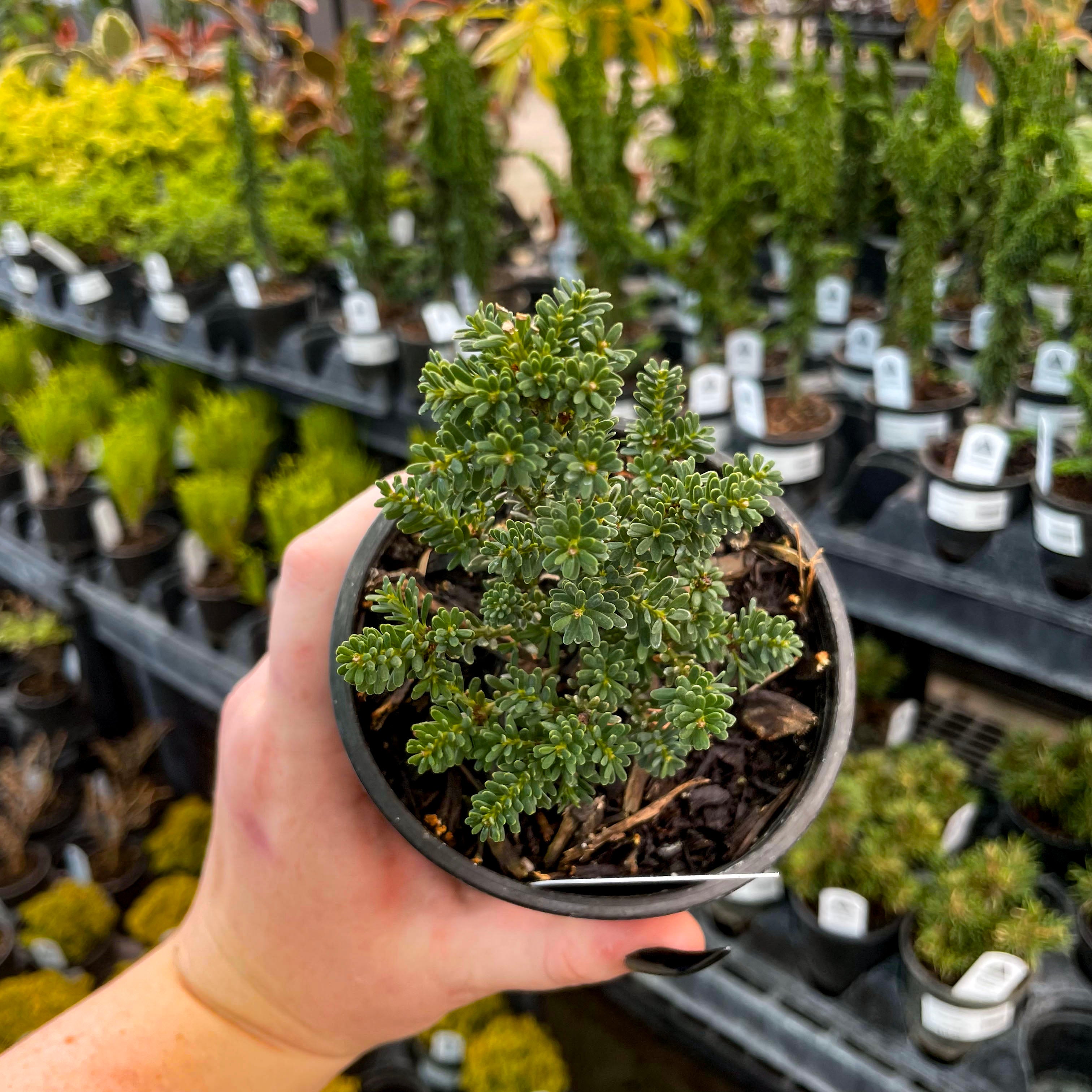
best pine trees for bonsai Red Tip Mountain Plume PinePodocarpus x Red Tip Podocarpus x Red Tip is a distinctive evergreen that captivates with its yew like foliage. In late summer through winter, its short, thin leaves develop a vibrant deep red flush, while the rest of the year they showcase a rich, deep green hue that gracefully spirals along the stems. With its spreading, compact habit, Red Tip is perfectly suited for smaller, warmer, and drier landscapes, offering year round color and dynamic
Podocarpus x ‘Red Tip’
Podocarpus x ‘Red Tip’ is a distinctive evergreen that captivates with its yew-like foliage. In late summer through winter, its short, thin leaves develop a vibrant deep red flush, while the rest of the year they showcase a rich, deep-green hue that gracefully spirals along the stems.
With its spreading, compact habit, ‘Red Tip’ is perfectly suited for smaller, warmer, and drier landscapes, offering year-round color and dynamic seasonal interest. Its striking appearance and low-maintenance nature make it an eye-catching choice for container gardens, rock gardens, or as a standout accent in any mixed border.
- Garden Size: 2’H x 3’W
- Dwarf: 2-4″/year
- Habit: Globe Shaped
- Hardiness: Zone 8
- Exposure: Sun to Partial Shade
Many perennials and bonsai plants take on a 'winter look' that's different from their summer appearance. The colder temperatures and shorter days trigger seasonal changes, which are actually part of their natural cycle. Some plants need this winter break to bloom and perform their best when the growing season returns. While they might look semi-dormant until early spring, these cosmetic changes don’t impact their health at all.
Bonsai Basic Care: Hard
Watering: Bonsais require careful watering. The frequency depends on the species and the climate, but generally, the soil should be kept slightly moist. Check the soil daily, and water thoroughly when the top layer feels dry.
Light: Most bonsai trees prefer bright, indirect light. A few hours of direct sunlight early in the morning or late in the afternoon is beneficial, but a direct midday sun can be harmful, especially in hotter climates.
Soil/Drainage: To prevent water retention and root rot, use a well-draining bonsai-specific soil mix.
Temperature/Humidity: Depending on the species, bonsai trees can be kept indoors or outdoors. Indoor bonsais generally prefer temperatures between 60-75°F and benefit from increased humidity, which can be achieved through daily misting or humidity trays.
Feeding: Fertilize your bonsai regularly during the growing season. Use a balanced, water-soluble fertilizer every few weeks or as recommended for the specific type of tree.
Pruning/Training: Pruning is essential to maintaining the shape and health of a bonsai. Regular pruning of the roots and canopy is necessary. Training with wires can also shape branches and direct growth.
Repotting: Most bonsai trees require repotting every 2-5 years to prevent root crowding and replenish nutrients in the soil. This is best done in the spring.
General Tips: Regularly inspect for pests and diseases. Bonsai trees are susceptible to insect infestations and fungal infections, which should be treated promptly to keep the tree healthy.
Order & Shipping Info:
-Plants ship in a grower's pot, fully rooted.
-We ship every Monday and Tuesday (excluding holidays) to avoid weekend delays.
-Our photos show what you can expect, but each plant is unique and may look slightly different upon arrival.
-Minor damage during shipping is entirely normal and should be expected, especially in extreme summer or winter temperatures. Don’t worry—damaged foliage can be trimmed away and will not affect the plant's root system or overall health.
-Hold off on watering if the soil is still moist, and wait 2-4 weeks before repotting or fertilizing. This patience will help your plant adjust smoothly without going into shock.
Important:
- Report any order issues the day they arrive by messaging us on Etsy or emailing [email protected] with a photo. After 24 hours, no refunds, returns, or exchanges—no exceptions.
- We guarantee plants arrive alive but can’t promise long-term success due to plant nature.
- Refunds are case-by-case. Many plants recover with proper care, so refunds may not be needed.
Shipping Notes
- Free Standard Shipping on $100+ Orders to the USA.
- Except Preorder products are shipped in 48 hours.
- Delivery to the USA:
- Standard Shipping : 3-10 business days
- If time is of the essence, please consider selecting expedited delivery for faster service.
Exchange/Return Notes
- We offer a 30-day return/exchange service after receiving.
- Final sale items are not eligible for returns or exchanges.
- To process your return/exchange, please contact us at [email protected]
- Please click here for more details>>> Return & Exchange Policy